

What a trustee does
A trustee is responsible for looking after trust assets and making decisions in line with the trust deed and the beneficiaries’ interests. This guide explains the role in plain terms, with practical steps, meeting notes and record-keeping points to help you understand what is involved.
The trustee’s role in plain terms
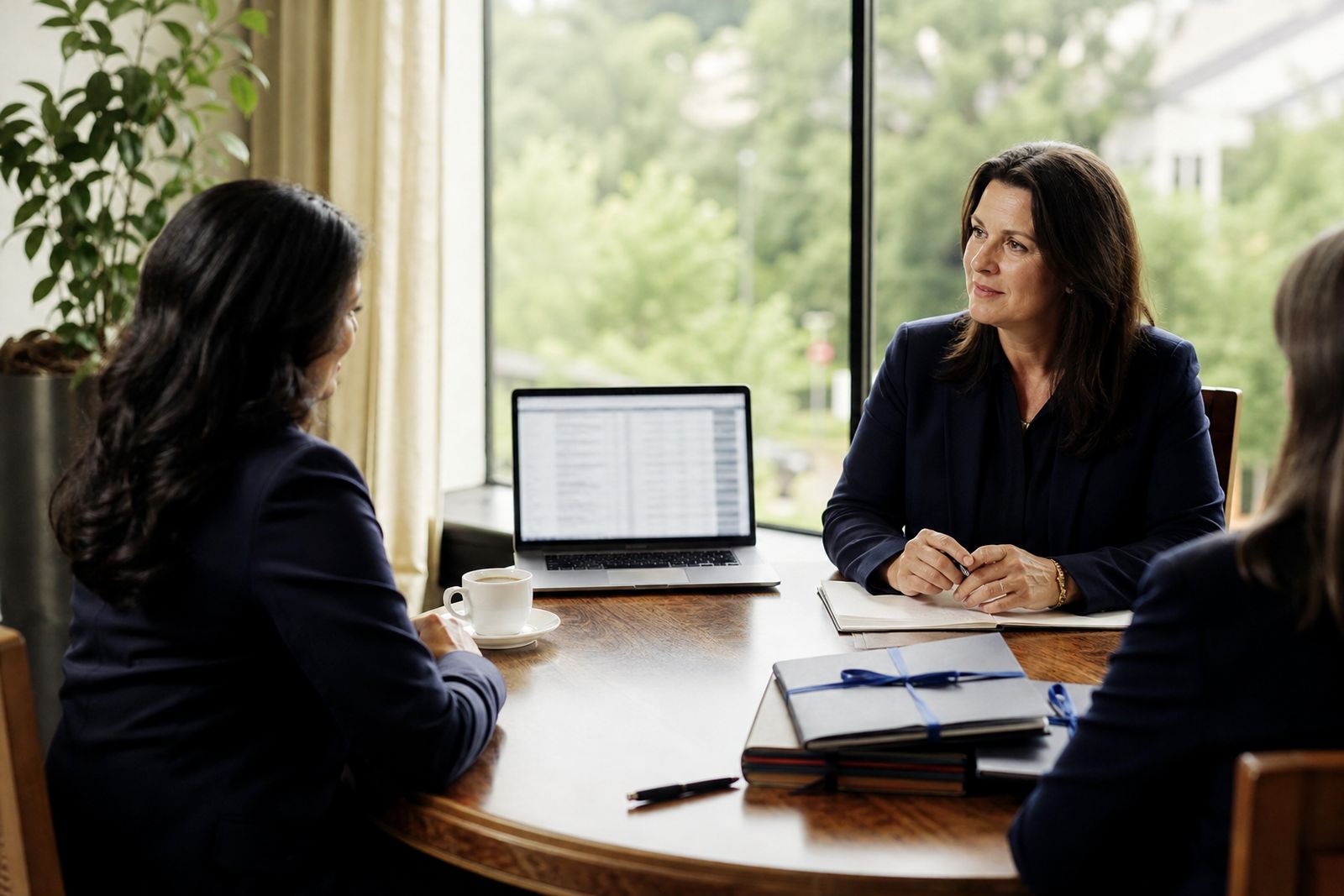
A trustee manages a trust on behalf of the beneficiaries and for the purpose set out in the trust deed. That includes taking proper decisions, handling trust assets carefully, keeping records up to date and making sure the trust is run as a separate structure, not as a personal extension of one family member or business owner.
In practice, a trustee’s job is not only about signing papers. It usually involves reading the trust deed properly, understanding what assets sit in the trust, checking what decisions need formal approval and making sure meetings, resolutions and records match what has actually happened. Where a trust owns property, investments or business interests, the trustee must keep track of those assets and the paperwork linked to them.
Each trust is different. A family trust, business trust or testamentary trust may have different needs, and the right approach depends on the deed, the assets and the people involved.
Core duties a trustee usually handles
Trustee duties often sound technical, but the day-to-day work is usually quite practical. The trustee must act honestly, apply their mind to decisions and keep the trust’s affairs in order. They should also avoid informal habits that can cause confusion later, especially when families are dealing with property, distributions or the death of a founder.
- Read and follow the trust deed before taking action.
- Identify the trustees, beneficiaries and powers of the trust.
- Protect and manage trust assets with proper care.
- Keep trust money and assets separate from personal assets.
- Approve important decisions through resolutions or meetings.
- Maintain clear records of decisions, asset changes and distributions.
- Work with the client accountant on annual trust paperwork.
- Check whether the trust still suits the family or business purpose it was meant for.
A trustee is not expected to guess their way through a problem. If there is uncertainty about a distribution, a property sale, a beneficiary issue or a tax point, it is sensible to get advice for that specific situation. The facts matter and small details can change the right approach.
How trustee decisions should be made
One of the most common problems in trust administration is when decisions are made casually and only written down later, or not written down at all. Trustees should decide matters in the way the trust deed requires. Sometimes that means a formal meeting. In other cases a written resolution may be enough, if the deed allows for it.
Good trustee decision-making usually means all trustees receive the same information, have a chance to consider it and then record their decision clearly. This is especially important for matters such as buying or selling assets, making distributions to beneficiaries, lending money, signing long-term contracts or changing how the trust is run.
- Check whether the trust deed requires a meeting or permits a written resolution.
- Circulate the relevant documents before the decision is made.
- Confirm that the trustees understand what they are approving.
- Record the exact decision, date and supporting documents.
- Keep signed resolutions and minutes in the trust file.
When trustees disagree, the deed may explain how decisions are taken. If it does not, the trustees should avoid rushing ahead with half-made decisions. That usually creates more work later, and can lead to disputes.
Meetings, minutes and trust records
Trust records are often the first thing people scramble for when there is a property transfer, an audit query, a banking request, a family dispute or a deceased estate. Clean records make trust administration much easier. Poor records can slow everything down.
Minutes do not need to be dramatic or overly legalistic. They should simply show who attended, what was discussed, what information was considered and what was decided. Written resolutions should be stored with the supporting documents so there is a clear paper trail.
A practical trust file often includes signed trustee resolutions, minutes of meetings, the trust deed and any amendments, asset schedules, financial records, correspondence about important decisions and documents showing distributions or changes in trustees. For clients with busy schedules in Sandton and further afield, online meetings can work well provided the paperwork is still finalised properly.
- Trust deed and any amendments.
- Letters of authority and trustee appointment records.
- Minutes of meetings and signed resolutions.
- Asset schedules and supporting ownership documents.
- Distribution records and beneficiary notes.
- Annual paperwork prepared with the client accountant.
- Key correspondence relating to major trust decisions.
It sounds basic but filing matters. A trust with neat records is usually far easier to manage than one where everyone relies on memory.
When a trustee should pause and get advice
Trustees do not need to know every legal and tax answer off by heart. What matters is recognising when a matter needs proper advice. This may happen where the trust deed is unclear, where a beneficiary dispute is developing, where a trustee has a conflict of interest, or where the trust holds unusual assets or business interests.
Estate planning questions also often overlap with trustee work. A trustee may need to understand how the trust fits with a will, how assets are meant to pass on at death, or how an existing trust should be reviewed before more assets are moved into it. In deceased estate matters the paperwork and decision trail can become especially important, because executors and family members may need to trace what the trust owned and what the trustees approved.
The right answer depends on the facts, the trust deed and the documents already in place. General guidance can help you understand the process, but advice should always be tailored to the actual trust and estate involved.
A simple trustee checklist to use regularly
If you are a trustee, or thinking of appointing one, this checklist is a good starting point. It will not replace advice for a specific matter, but it can help you spot gaps in administration and record-keeping.
- Do all trustees know what the trust deed says?
- Are trustee appointments and authority documents current?
- Are trust assets clearly identified and recorded?
- Are important decisions approved in the correct form?
- Are meeting minutes and resolutions signed and filed?
- Is trust paperwork being prepared each year with the client accountant?
- Have any distributions been properly authorised and recorded?
- Does the trust still suit the family or business purpose it was created for?
- Have related will and estate planning documents been reviewed?
Where any answer is no or not sure, it is worth dealing with it sooner rather than later. Small admin gaps have a habit of turning into larger problems when an asset must be sold, an estate must be reported or a family question comes up unexpectedly. Getting the basics right early makes the trust much easier to run.
What our Trust and Estate Administration customers say
Verified Google reviews
Questions we get asked
Can one trustee make decisions alone?
That depends on the trust deed and the facts. Many trusts require trustees to act together, or to follow a specific process for meetings and resolutions, so it is important to check the deed before any decision is taken.
Do trustees need to keep formal minutes?
In most cases, keeping proper minutes and signed resolutions is a sensible part of running a trust. Clear records help show what was decided, by whom and on what basis.
What if a trust has old or missing records?
That can often be addressed by gathering the existing documents, identifying the gaps and regularising the file as far as possible. The right steps depend on the trust deed, the assets involved and what decisions were made in the past.
Also worth a look
Talk to us about your trust or estate
Send a short note through our contact form about the trust, will or estate you need help with, and we will set up a first meeting.
Open the contact form