

Independent trustee
An independent trustee can bring balance, continuity and a clear outside view to the running of a trust. We help families and business owners across South Africa appoint and work with an independent trustee in a practical, plain language way.
Why appoint an independent trustee
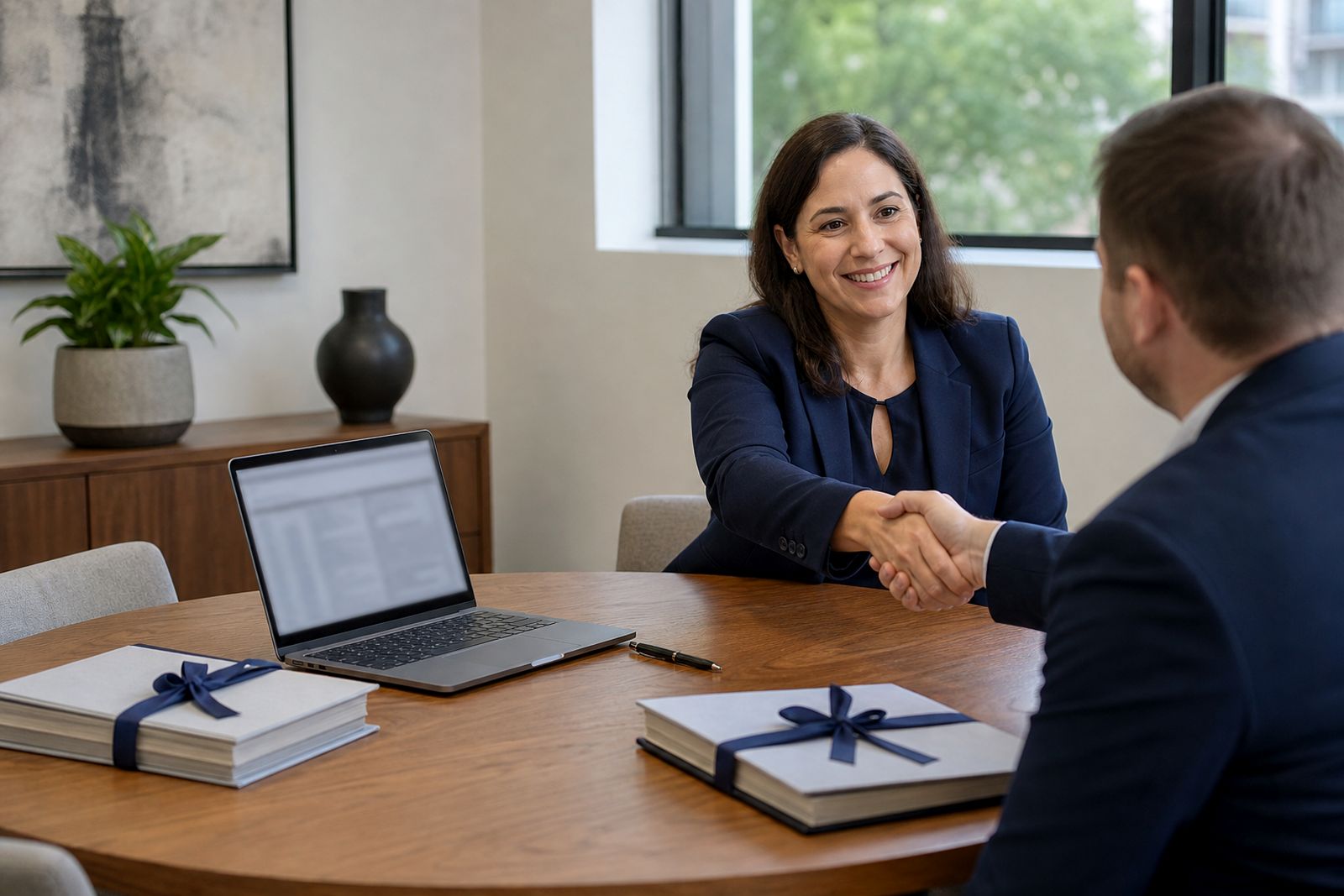
An independent trustee is a trustee who is not there as a family member, beneficiary or business insider. The role is to take part in decisions properly, help keep the trust on track, and add an objective view where there may be competing interests or uncertainty about process. This can be useful for family trusts holding investments or property, business trusts where control needs to be handled carefully, and testamentary trusts set up to look after assets for others.
In practice, an independent trustee helps reduce the risk of informal decisions, missing records and confusion about who approved what. The role can also help with continuity when there is illness, death, travel, or simply a change in family circumstances. Every trust is different, so the right structure depends on the deed, the assets, the trustees and the purpose of the trust.
- Independent participation in trustee decisions
- Oversight of resolutions, minutes and trust records
- Continuity if one trustee cannot act
- Support where families or business partners want a neutral voice
What is included in our independent trustee service
Our service is built around the day to day governance needs of the trust. We start by understanding the trust deed, who the current trustees and beneficiaries are, what assets the trust holds, and how decisions are presently made. From there, we can act as the independent trustee or support the process of appointing one and setting clear working arrangements.
We focus on practical administration as well as decision making. That means helping trustees prepare for meetings, recording resolutions properly, keeping a record of key decisions, and making sure trust paperwork is organised for the client accountant and other advisers where needed. We do not treat trusts as a box ticking exercise. Good trust administration needs proper records and regular attention, even when the trust is not very active.
- Review of the trust deed and current trustee structure
- Guidance on appointment steps and acceptance of office
- Attendance at trustee meetings held online or in person
- Review and signing process for trustee resolutions where appropriate
- Record keeping support, including minutes and decision files
- Co-ordination with the client accountant on annual trust paperwork
- General guidance in plain terms, with case specific advice where needed from the right professionals
How the process works
We keep the appointment process straightforward. First, we meet with the client and any existing trustees to understand the trust, the reason for the appointment, and any immediate issues that need attention. This can be done from Sandton by online meeting for clients elsewhere in South Africa, or in person where suitable.
Next, we review the trust deed and the current records. We look at how trustees were appointed, whether resolutions have been kept up to date, what assets sit in the trust, and whether any practical gaps need to be fixed before the appointment moves ahead. If supporting documents are missing we will tell you what still needs to be located.
Once the position is clear, we help put the appointment and working arrangements in place. After that, the independent trustee joins the normal trust administration cycle and takes part in decisions as required by the deed and the facts of the matter.
- Introductory consultation about the trust and its purpose
- Review of the deed, trustee records and asset schedule
- Identification of missing documents or practical issues
- Appointment process and acceptance steps
- Ongoing participation in meetings, resolutions and annual administration
What you should prepare before we start
A quicker start usually depends on having the right papers ready. If some documents are not available, that is not unusual, but it helps if you can tell us what exists and what does not. We will then guide you on the next steps. Each matter depends on its own facts and documents, so the exact list may differ from trust to trust.
- The signed trust deed and any amendments
- Names of current trustees and beneficiaries
- Any recent trustee resolutions and meeting minutes
- A list of trust assets, such as property, investments or business interests
- Basic supporting records showing how the trust has been run
- Contact details for the client accountant or other existing advisers if they are involved
- Any immediate questions or concerns, for example a pending transaction or a trustee who has stepped down
If the trust has been running informally for some time, do not assume it is too late to improve the position. In many cases the first step is simply to gather what you have and identify the gaps clearly.
How pricing is worked out
Pricing for independent trustee work depends on the scope of the appointment and the amount of administration involved. A trust with one asset and occasional resolutions is usually quite different from a trust holding several properties, business interests or ongoing beneficiary decisions. We therefore look at the actual work expected rather than using a one size fits all approach.
In general terms, pricing takes into account the time needed for document review, meetings, trustee decisions, record keeping, annual paperwork support and any unusual issues that need attention. If there is catch up work because records are incomplete, that can also affect the scope. Where we can, we explain the likely work stages upfront so the client understands what is included and what may fall outside the original brief.
We keep legal and tax points general on this page because each trust has its own facts. Before acting on a major decision, clients should get advice for their own situation where needed.
Aftercare and ongoing support
Independent trustee work does not stop once the appointment is done. Trusts need regular attention, even when there are no major transactions on the table. We stay involved through the decision making cycle of the trust, help keep records current, and support trustees so that annual administration does not become a last minute scramble.
Aftercare may include scheduled reviews of trustee records, preparation support for meetings, follow up on outstanding resolutions, and practical co-ordination with the client accountant. If family circumstances, beneficiary needs or trust assets change, we can also help trustees review whether the current arrangements still fit the purpose of the trust. Small admin gaps can grow into larger problems later so regular housekeeping matters.
Our approach is personal and steady, with online and in person meetings available. Clients contact us through the enquiry form on our contact page to discuss a new appointment or to review an existing trust setup.
What our Trust and Estate Administration customers say
Verified Google reviews
Questions we get asked
Does every trust need an independent trustee?
Not every trust will need one, and the answer depends on the deed, the trustees, the assets and the purpose of the trust. In some cases an independent trustee adds useful balance and oversight, especially where decisions affect related parties or where continuity is important.
Can you help if the trust records are incomplete?
Yes. That is a common starting point. We first review what is available, identify the gaps and then help trustees decide what needs to be corrected or updated. The right steps depend on the facts and documents in that trust.
Do you replace the family trustees?
Usually no. An independent trustee often works alongside existing trustees rather than replacing them. The exact structure depends on the trust deed and the needs of the trust, so we assess that position first.
Also worth a look


Talk to us about your trust or estate
Send a short note through our contact form about the trust, will or estate you need help with, and we will set up a first meeting.
Open the contact form